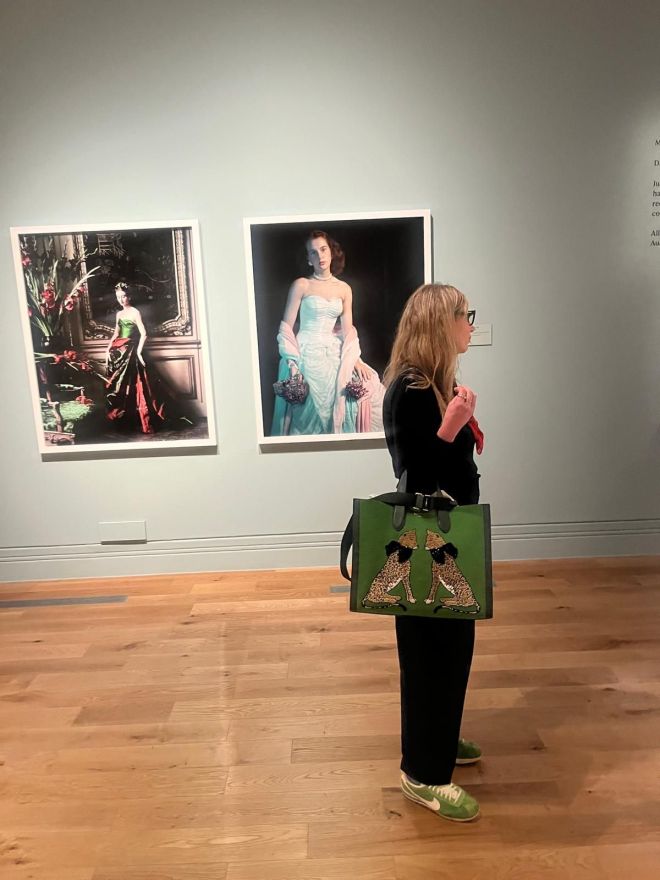
I’m no stranger to a silk scarf. I’ve still got one I bought from Brick Lane Market nearly twenty years ago. I used to wear it tied as a headband, paired with big gold hoops and a ‘love’ necklace. I was happy to see them make a return this year, with no sign of going anywhere soon. They strutted down the 2026 runways in various guises: Michael Rider’s debut collection for Celine featured scarves knotted at the neck; Gucci wrapped silk scarves over baseball caps; and Miuccia Prada draped them loosely around shoulders.
Rising to prominence in the 1920s, the silk scarf reflected a break from archaic feminine dress codes. Marlene Dietrich led the way, contrasting a soft neck scarf with a strong tuxedo – a pioneering look that challenged gender norms and helped redefine elegance for decades to come.
During the women’s liberation movement of the 1970s, women began reclaiming elements of the masculine wardrobe – trousers, blazers, shirts and scarves. By adopting traditionally masculine garments, they once again challenged old dress codes and expressed a new kind of freedom: one rooted in choice, confidence and self-definition.
Ultimately, trends come and go, but we rarely pause to consider the context and meaning they carried the first time around.
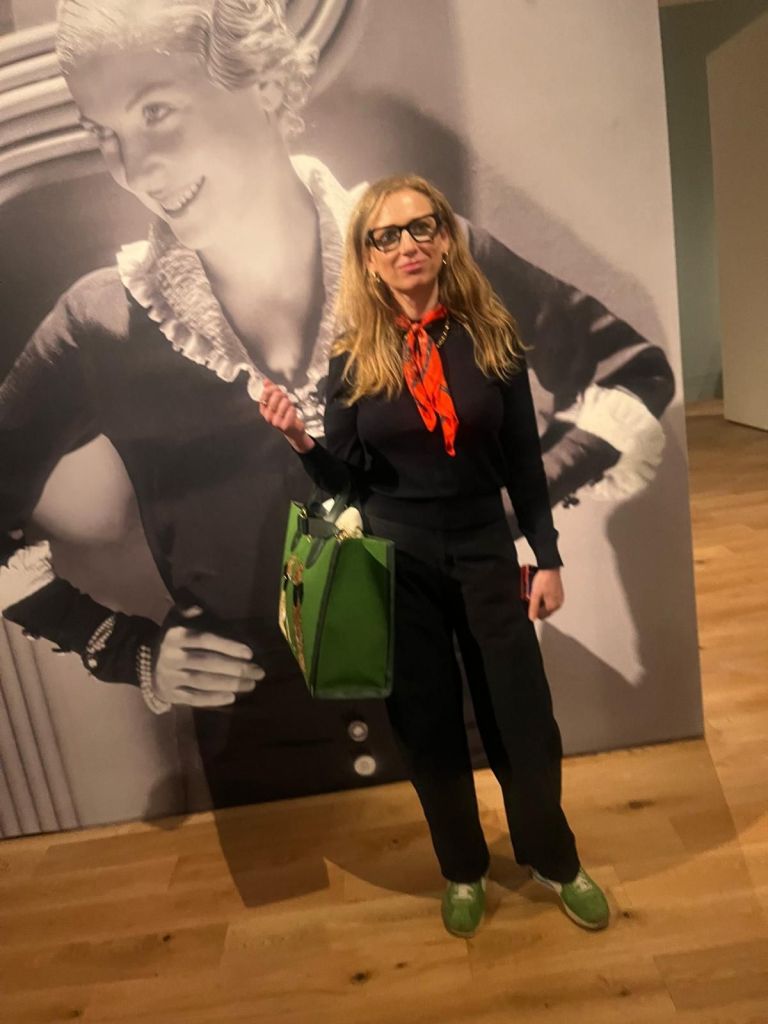
Crew neck jumper, Uniqlo; barrel leg trousers, Uniqlo; scarf, Zara; trainers, Nike; tote bag, Kate Spade, glasses, Prada.
 freckle.